Skip to content
Menu
Bd Yellowpages

Month: May 2026

Credit Card Size in Pixels, Inches, and Millimeters (The Reference You Actually Use)

Posted on May 5, 2026April 10, 2026

Credit card sizing is boring right up until it breaks a print run, clips a logo, or makes a barcode unscannable.

So here’s the clean truth: a “standard” credit card is not a vibe. It’s a specification. And if you design around guesses instead of numbers, you’ll pay for it (sometimes literally).


 The standard size (ID‑1): inches, mm, thickness

If you want the globally recognized baseline, you’re designing around ISO/IEC 7810, ID‑1.

– Width: 3.375 in (3 3/8″) = 85.60 mm

– Height: 2.125 in (2 1/8″) = 53.98 mm (often rounded to 54.0 mm in print docs)

– Thickness: 0.76 mm (typical for CR80 PVC cards)

And yes, people call these “CR80” cards in the printing world. Same physical footprint, different jargon.

One-line reality check:

A credit card is 85.6 × 54 mm, not “about business-card sized.”


 A quick source anchor

The ID‑1 dimensions above come straight from the ISO/IEC card size family used worldwide (ISO/IEC 7810). See: ISO/IEC 7810 (Identification cards, Physical characteristics). For more details on what are credit card dimensions, visit Metal Kards.
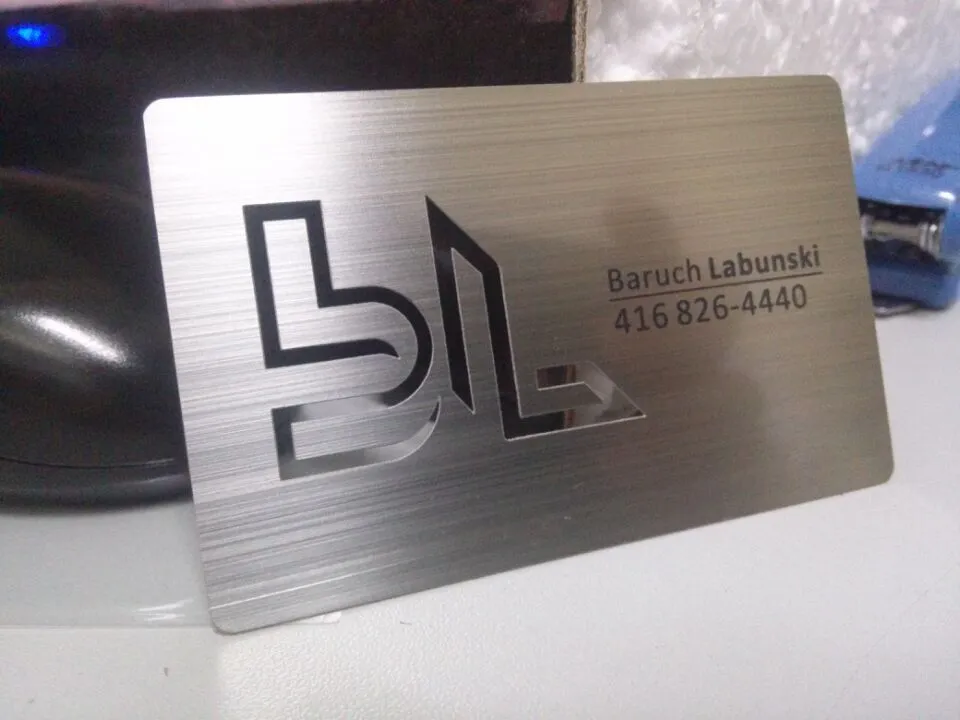
Metal Card

 Pixels: the part that tricks people

Pixels don’t have a real-world size until you tie them to a DPI/PPI number. That’s the whole game.

The formula is simple:

pixels = inches × DPI

So for a standard card (3.375″ × 2.125″) here are common working sizes:

| DPI (PPI) | Width (px) | Height (px) |

|—:|—:|—:|

| 150 | ~506 px | ~319 px |

| 300 | ~1013 px | ~638 px |

| 600 | ~2025 px | ~1275 px |

You’ll sometimes see 1012×638 and sometimes 1013×638 at 300 DPI. That’s just rounding. I usually round to the nearest whole pixel and move on, because the printer driver is going to make its own rounding decisions anyway.


 “Look, which DPI should I pick?”

Now, this won’t apply to everyone, but for most card artwork:

– 300 DPI is the practical baseline for print graphics

– 600 DPI is where fine microtext, tight linework, and sharp edges start behaving better (especially on mixed raster designs)

Here’s the thing: if your design is mostly vector (logos, text, shapes), DPI is less terrifying because vectors scale cleanly. The moment you place a raster background, photo, texture, or a QR code as an image… DPI stops being theoretical.

In my experience, the fastest way to get “mushy” text is to build at a low pixel size and upscale later. Don’t.


 Pixel ⇄ millimeter conversion (for print sanity)

Two ways to convert, depending on what you’re holding in your hand:


 If you know DPI

1 inch = 25.4 mm

So:

mm = (px ÷ DPI) × 25.4

px = (mm ÷ 25.4) × DPI

Example (300 DPI):

1 mm ≈ 11.811 px (because 300 ÷ 25.4)

That’s a useful mental shortcut if you’re laying out fine spacing.


 If you don’t know DPI

Then you don’t know the physical size. Period.

A 1013×638 image could be a credit card, a billboard thumbnail, or an icon. DPI is the bridge.


 Common design mistakes (and the fixes that actually hold up)

I’m going to be a little opinionated here: most “card design problems” are just spacing problems wearing different costumes.

Mistakes I see constantly:

– Text or logos pushed into rounded corners (it looks amateurish fast)

– No bleed, or fake bleed (a background that stops exactly at the cut line, yikes)

– Hairline strokes under ~0.25 pt that print inconsistently

– QR codes scaled down until they scan only on your phone in perfect light

Fixes that work:

– Build with three zones in mind: bleed, trim, safe

– Keep critical elements comfortably inside the safe zone

– If you’re using barcodes/QR, print-test them early (don’t trust on-screen scanning alone)

A short aside: I’ve watched “perfect” PDFs fail because someone exported at 72 PPI, then wondered why a photo looked like wet cardboard. That mistake is older than modern printers.


 Corner radius and why your layout gets clipped

ISO ID‑1 cards have rounded corners. That means your “perfect rectangle” design is going to lose detail near edges unless you plan for it.

You don’t need to memorize the radius to design safely, but you do need to respect it:

– Don’t put fine text near the corners

– Don’t align logos to the extreme edges unless you like living dangerously

– If a vendor provides a template, use it (even if you think yours is better)


 Printing vs. screens vs. card readers (the reality check section)

Bold opinion: designing a card only on a monitor is how you end up with a card that looks good nowhere.

Screens vary. Printers drift. Card stock reflects light differently than your nice matte display. And readers have their own tolerances.

If you’re validating across devices and readers, do this:

– Print a test at 100% scale (no “fit to page” nonsense)

– Measure it with a ruler or calipers

– Check scanning under bad lighting, not studio lighting

– Confirm any mag-stripe/signature/hologram zones if your production requires them

One sentence that saves projects:

If your printer dialog says “scale: 97%,” you’re already in trouble.


 Quick reference: standard card size at 300 DPI

If you just want the numbers you’ll paste into Photoshop or your layout tool:

– 3.375″ × 2.125″

– 85.6 mm × 54.0 mm

– ~1013 px × 638 px at 300 DPI

– Thickness: 0.76 mm

That’s the baseline. Everything else is workflow, tolerance, and how picky your vendor is (some are very picky, for good reason).


 A final practical tip (because this is where people slip)

If you’re sending files to a printer, ask what they want before you finish the design:

– preferred file format (PDF/X, AI, PSD, etc.)

– bleed requirements

– color profile (CMYK profile target)

– any lamination or finish that might darken colors

You’ll still design around ISO dimensions, but you won’t get surprised by production math at the worst possible moment.

Xenia Holiday Experiences Bring Joyful Travel Opportunities

Posted on May 4, 2026May 11, 2026

Travel today is no longer just about visiting places it is about creating meaningful, welcoming, and emotionally enriching moments. The idea of xenia hospitality focuses on warmth, generosity, and genuine connection between hosts and guests. In this context, https://vacationdeals.to/ aligns beautifully with modern travel expectations by offering inspiring ways to explore destinations while feeling truly welcomed and cared for.

Xenia holiday experiences emphasize comfort, connection, and personalized journeys. They reflect a travel style where guests are treated like valued friends rather than temporary visitors. This approach makes every journey more memorable, relaxing, and emotionally rewarding.

Understanding Xenia Holiday Experiences

Xenial travel is rooted in hospitality that goes beyond service it focuses on human connection and meaningful interaction. It ensures travelers feel a sense of belonging wherever they go.

This travel approach is increasingly popular because modern travelers want more than sightseeing they seek immersive, joyful, and authentic experiences.

Why Xenial Holidays Create Joyful Opportunities

Best Vacation Deals

Xenial holiday experiences are designed to enhance emotional satisfaction and cultural appreciation. They encourage travelers to engage deeply with destinations, people, and traditions.

  • Personalized guest experiences that match individual preferences
  • Warm and welcoming environments that reduce travel stress
  • Strong cultural connections through local interaction
  • Comfortable and meaningful stays that feel like home
  • Opportunities to create lasting memories with ease

These elements together transform simple vacations into joyful life experiences.

How Xenial Travel Enhances Modern Tourism

Modern tourism is shifting toward experience-based travel, where emotional value matters as much as destination quality.

Xenial holiday experiences support this shift by making every journey more:

  • Immersive: Travelers actively engage with local culture
  • Authentic: Real experiences replace artificial tourism settings
  • Relaxing: Comfort and care reduce travel fatigue
  • Enriching: Every trip becomes a learning and growth opportunity

This approach ensures travelers feel both refreshed and inspired.

Key Features of a Xenial Holiday Experience

A truly xenial holiday is defined by thoughtful details and heartfelt service.

  • Friendly and attentive hospitality at every step
  • Smooth travel arrangements for stress-free planning
  • Customized itineraries based on traveler interests
  • Warm cultural exchanges with local communities
  • Comfortable stays designed for relaxation and joy

These features make holidays feel seamless and deeply satisfying.

The Joy of Meaningful Travel Experiences

Travel becomes more valuable when it connects people emotionally and culturally. Xenial experiences encourage travelers to slow down, appreciate moments, and enjoy every interaction.

They support a lifestyle where holidays are not rushed schedules but meaningful journeys filled with joy, comfort, and discovery. This positive travel mindset helps create stronger memories and deeper satisfaction.

Conclusion

Xenial holiday experiences represent a modern way of traveling that blends warmth, personalization, and emotional connection. Platforms make it easier for travelers to explore such enriching opportunities with comfort and confidence. By focusing on hospitality and meaningful engagement, xenial travel transforms ordinary trips into joyful and unforgettable journeys.

  • Previous
  • 1
  • 2

Recent Posts

  • Scalable Plan Options for Teams of Every Size
  • Trusted Property Investment Advisor Helps Maximize Long Term Returns
  • Innovative Brand Journeys Begin with Rednote Marketing Solutions
  • Marketing Agencies Deliver Engaging Campaigns That Improve Customer Acquisition Rates
  • Smart Vehicle Financing for Unexpected Costs

Recent Comments

No comments to show.

Archives

  • July 2026
  • June 2026
  • May 2026
  • April 2026
  • March 2026
  • February 2026
  • January 2026
  • December 2025
  • November 2025
  • October 2025
  • September 2025
  • August 2025
  • July 2025
  • June 2025
  • May 2025
  • April 2025
  • March 2025
  • January 2025
  • December 2024
  • November 2024
  • October 2024
  • September 2024
  • August 2024
  • July 2024
  • June 2024
  • May 2024
  • April 2024
  • March 2024
  • February 2024
  • January 2024
  • December 2023
  • November 2023
  • October 2023
  • September 2023
  • August 2023
  • July 2023
  • June 2023
  • May 2023
  • April 2023
  • March 2023
  • February 2023
  • January 2023
  • December 2022
  • November 2022
  • October 2022
  • September 2022
  • August 2022
  • July 2022
  • June 2022
  • May 2022
  • March 2022
  • February 2022
  • January 2022
  • December 2021
  • November 2021
  • October 2021
  • September 2021
  • August 2021
  • July 2021
  • June 2021
  • May 2021
  • April 2021
  • March 2021
  • February 2021
  • January 2021
  • December 2020
  • November 2020
  • October 2020
  • September 2020
  • August 2020
  • July 2020
  • June 2020
  • May 2020
  • April 2020
  • March 2020
  • February 2020
  • January 2020

Categories

  • Application
  • Automobile
  • Beauty
  • Business
  • Construction
  • Dental
  • Digital marketing
  • Education
  • Entertainment
  • Fashion
  • Finance
  • Fitness
  • Food
  • Games
  • General
  • Health
  • Home
  • Home Improvement
  • Insurance
  • Law
  • Marketing
  • Pets
  • Real Estate
  • SEO
  • Shopping
  • Social Media
  • Software
  • Sports
  • Technology
  • Travel
  • Web Development
  • Wedding
©2026 Bd Yellowpages